Cold Frames – and how to properly use them
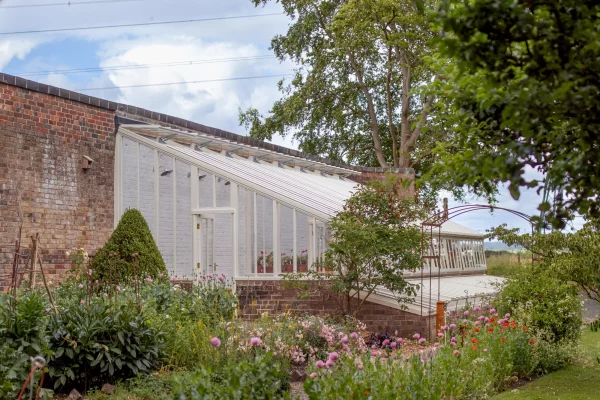
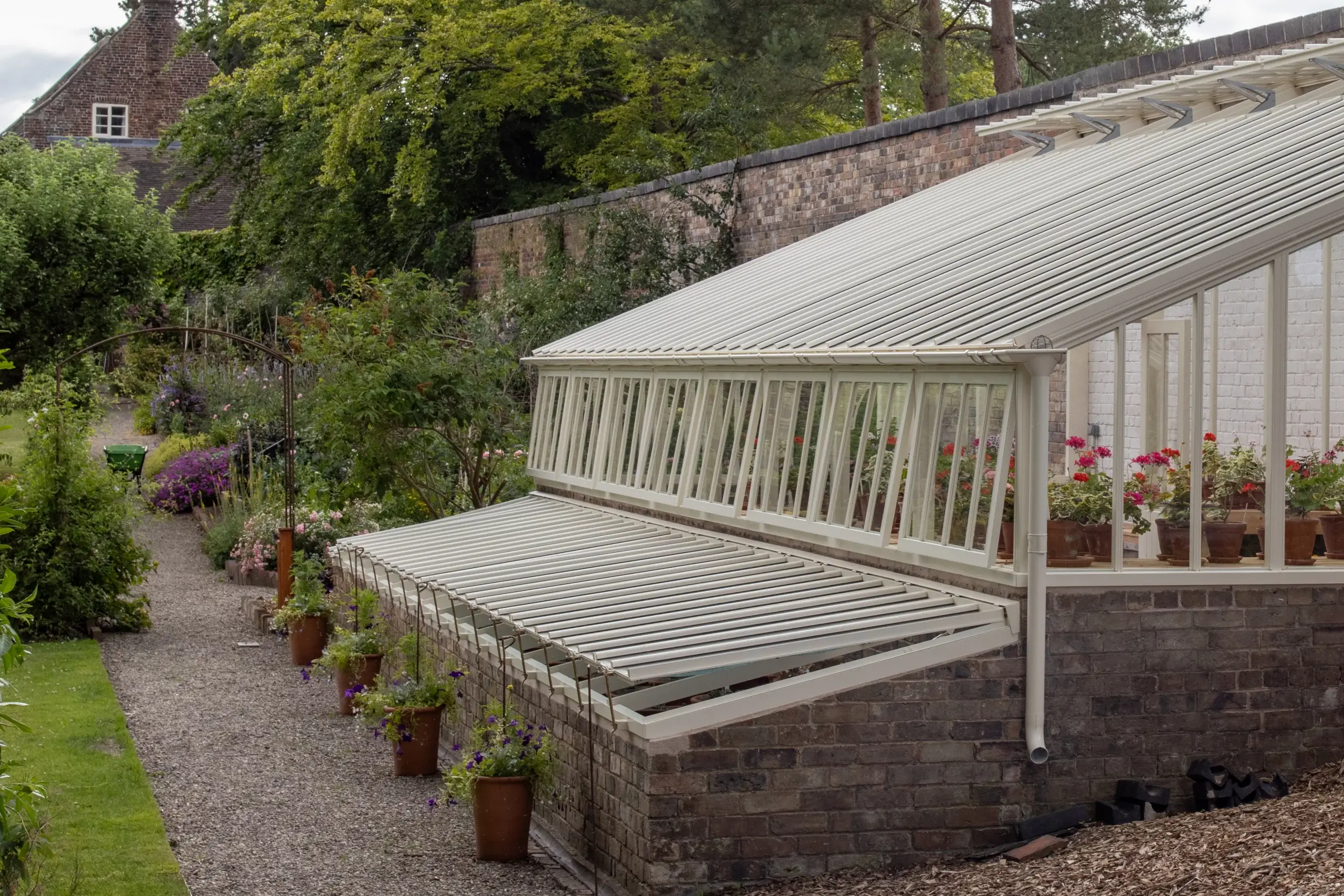
We delve into the origins of the cold frame, seek inspiration from past projects, explore the relevance of them to gardeners today and explain the nitty gritty of how we make ours.
- What is a cold frame?
- The history of hot and cold frames
- What can be grown in a cold frame?
- What are the key features of a cold frame?
- Other considerations
- The White Cottage Cold Frame
What is a cold frame?
A cold frame is an extension to the growing space that your main greenhouse provides and is a further tool to your arsenal in lengthening the growing season. A mini bolt-on and, as the name suggests, unheated. They provide shelter and protection for tender plants and offer the perfect interim zone when hardening off young plants propagated in the greenhouse. They can also provide a lesser degree of protection to half-hardy plants that need some safeguarding from the more extreme winter elements.
We only seem to talk of cold frames today but it must have been the heated version – the hot frame, that was the more important innovation originally; superseding glasshouses and being of rudimentary technology, they were a humble means to an exotic end.
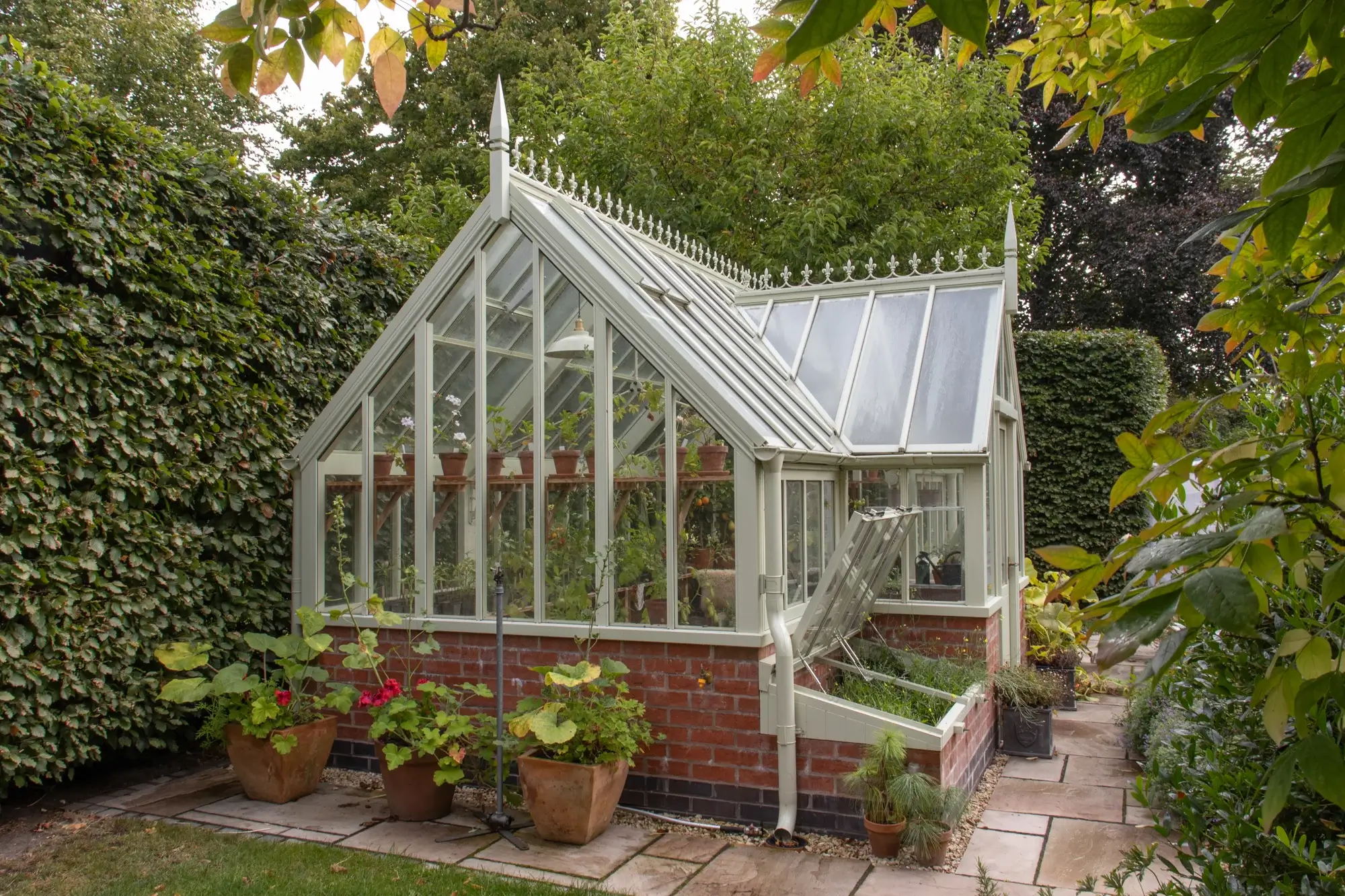
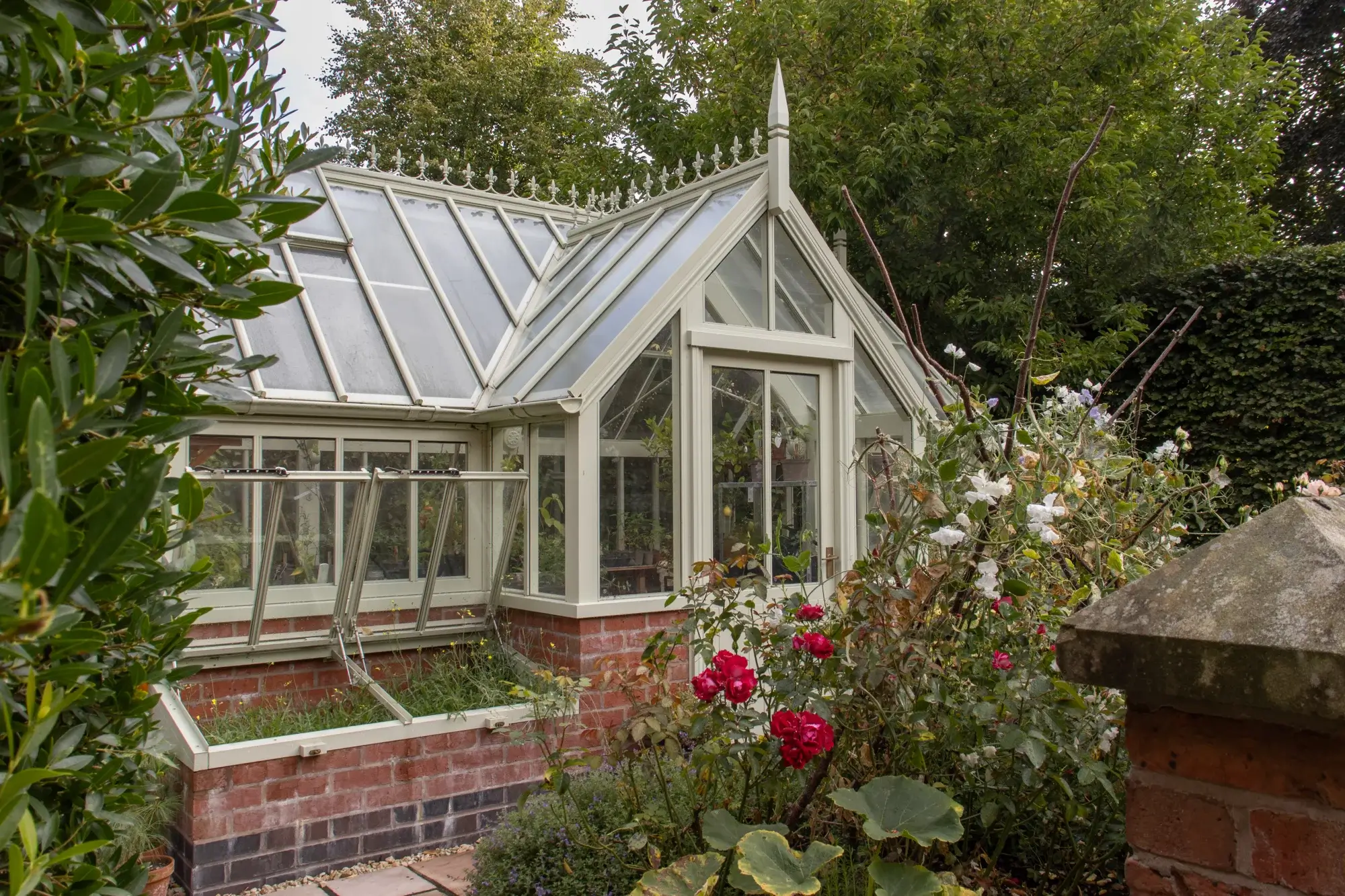
Above; cold frames are a popular add on to our Egerton Victorian Greenhouse
The history of hot frame and cold frames
Frame forcing is a technique that’s been widely used across Europe and the middle east for hundreds of years and its introduction to English kitchen gardens goes back as far as the mid-sixteenth century. Coming in response to the burgeoning popularity of cultivating some of the more exotic fruits and vegetables seen growing in Mediterranean gardens, it was these warmer conditions that the British gardener was seeking to emulate.
In northern european gardens, melons and cucumbers were the initial obsession; an area of the main kitchen garden would be fenced off for the purpose (known as a “Meloniére” in France), and a range of heated beds and forcing pits would be dug and filled with manure. Gradually these hot beds were used for forcing a greater variety of plants and the area became known more generally as a ‘forcing ground’ or ‘frame yard’.
Typically, the frame yard was a utilitarian part of the garden, not designed to be ‘visited’ and lacking in any ornamentation or decorative planting. Along with the prolific use of manure, it’s safe to assume this part of the garden may not have been the most pleasant area!
What was to be grown in the hot bed and when this should be sown determined the depth of the manure layer. The earlier the sowing, the deeper the manure. A pit would be dug, filled with said manure and the frame positioned on top. Pits could be as deep as a man, apparently.
Early cold frames (pre-abolition of glass and window taxes) were not glazed due to the prohibitive expense of glass. Instead, they were covered with a durable cloth cover which was pulled back each morning to allow light in and replaced each evening to keep the day’s heat in.
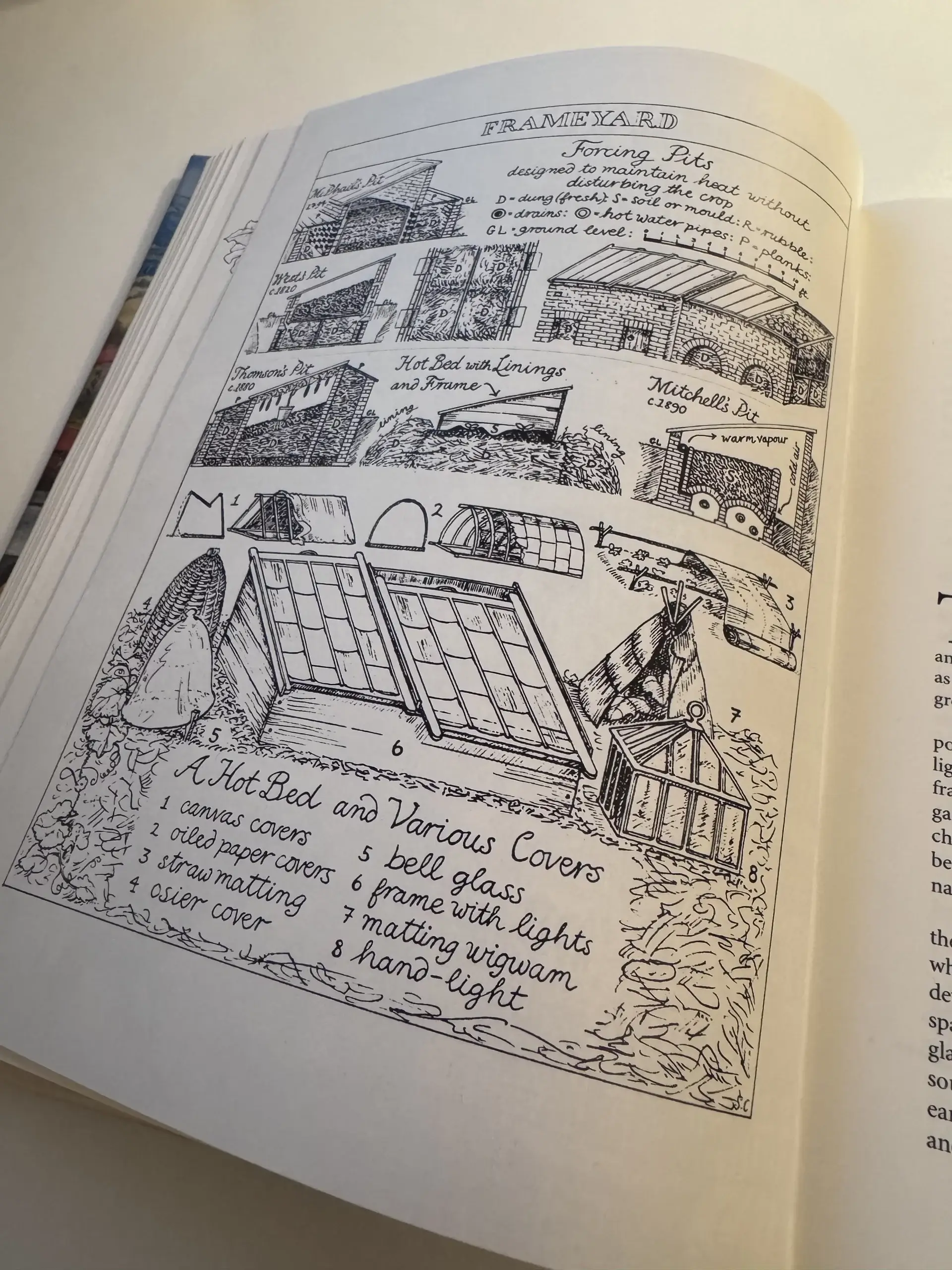
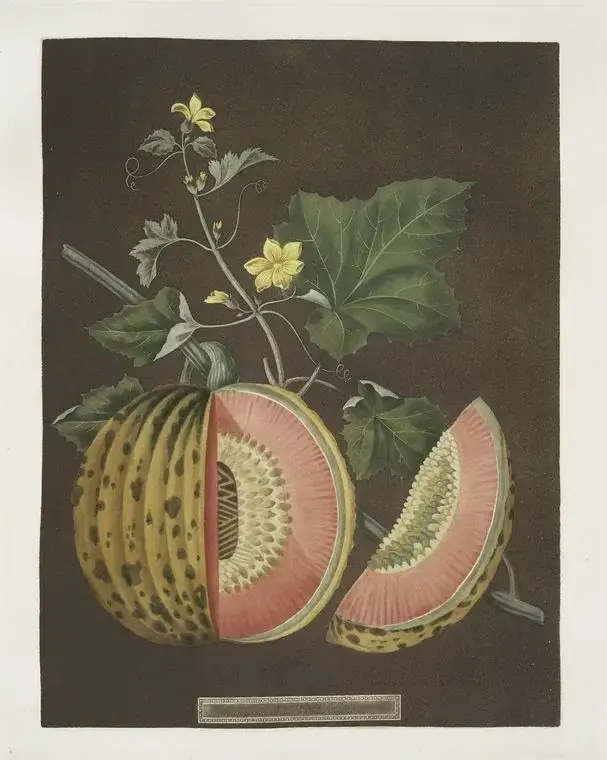
Above left; Susan Campbell’s passion for the history of the walled kitchen garden helped ignite a resurgence of interest in them and a renewed appetite for preserving them. Her study of fictionlised Charleston Kedding includes these illustrations depicting the tools and techniques of the Victorian frame yard. Above right; “Canteloupe” from ‘Pomona Britannica; or, a Collection of the Most Esteemed Fruits at Present Cultivated in this Country.’ London: Printed for the Author by T. Bensley, 1812, by George Brookshaw
As innovations progressed, glazed lights, liftable or sliding, replaced the cloth tops, brick sides replaced wooden sides and integration with the heating systems of the nearby glasshouses became possible. Orientation could be east to west or north to south and designs included double and single spanned roofs. It was also common to site frames near to bee hives so that plants benefitted from the close proximity of pollinators, and close to the stables to minimise the distance manure needed to be lugged.
Heated and unheated frames were used alongside each other. Hot frames were mainly used in the spring for getting a head start sowing vegetables that would otherwise have had to wait until the danger of frosts had fully passed. Cold frames would be used in both the spring and autumn; in spring to grow on and harden off seedlings coming from the greenhouses or hot frames, and in winter for the sowing of a late harvest – extending the growing season at both ends.
In a Victorian kitchen garden, hot and cold frames would have only been used productively; for the germination and nurture of fruit and vegetables and, possibly, herbs and medicinal plants. The construction and maintenance of them required an investment of time not deemed appropriate for non-food plants. A hard-working tool in the kitchen gardener’s toolbox – frivolous ornamentals would not have been entertained!
Fuelled by dung and demanding heavy labour to build and maintain, the traditional hot frame certainly lacks glamour when compared with the elaborate glasshouses that began to take over the walled garden, optimising propagation conditions with the latest technology born from the new industry of horticultural engineering, it’s not hard to see why the hot frame has been all but forgotten. The basic, unheated cold frame lives on, however…
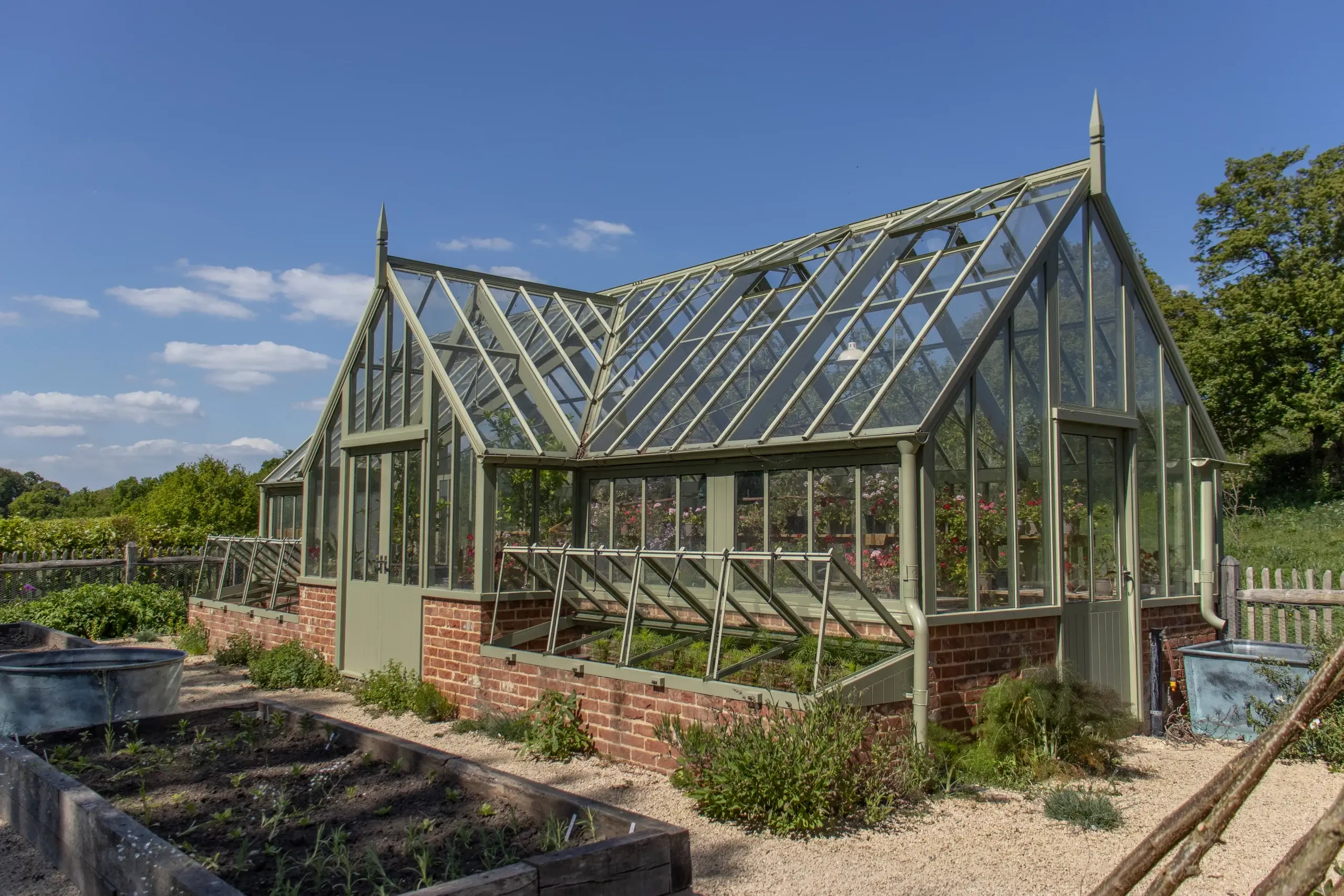
Above; A bespoke Victorian greenhouse with cold frames either side of the porch
How are cold frames used today?
Today, most gardeners would use their greenhouse for early sowing. Whether you choose to heat your entire greenhouse, just a small part of it or none of it at all, under glass temperatures quickly begin to rise as soon as a weak late winter sun emerges and a wide variety of seeds can be germinated easily and without the need for barrow loads of manure.
The cold frame provides the perfect interim conditions for hardening seedlings off. Moving young plants out into a cold frame frees up space inside the greenhouse for further successional sowing and the versatility of a cold frame lid gives room for plants to grow tall whilst keeping young roots protected.
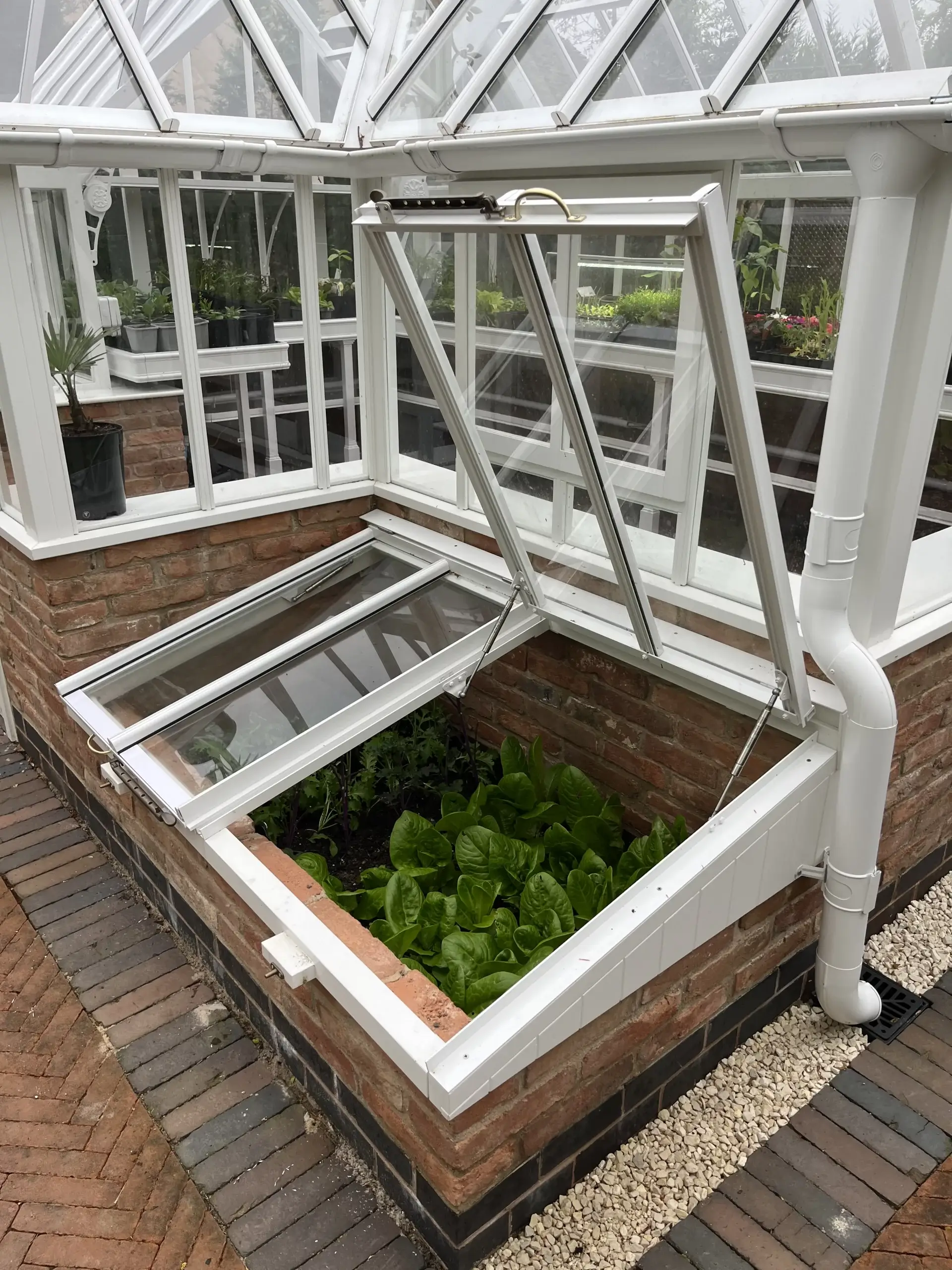
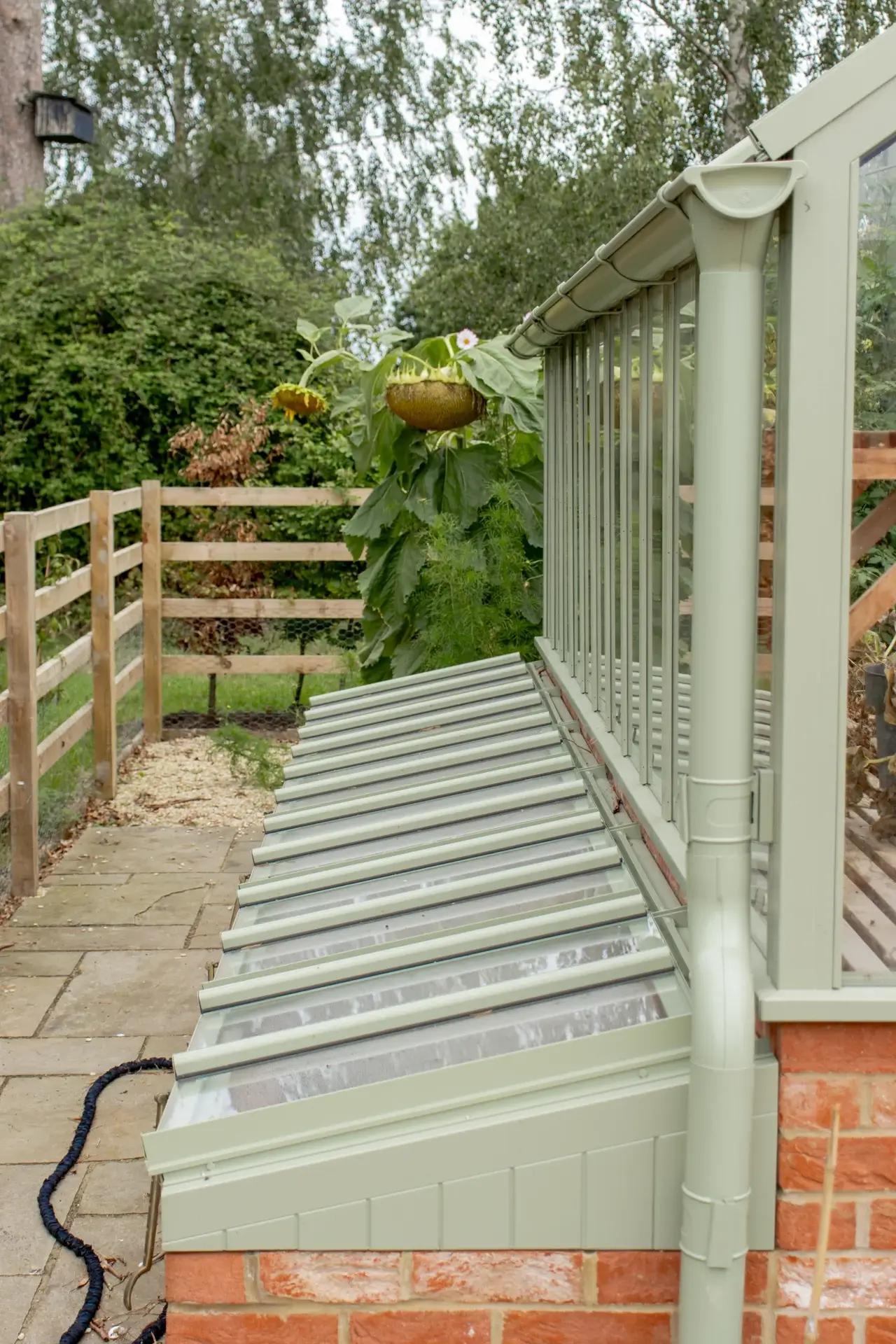
Above left; an early sowing of salad leaves are hardened off. Above right; south-facing cold frames span the full length of this Croft 4
What can be grown in a cold frame?
Anything that welcomes a little bit of protection will appreciate being grown in a cold frame and we, unlike the Victorians, wouldn’t rule out ornamentals either.
It may be helpful to think of the cold frame as a transitory area – plants move through them, spending as little or long as needed before taking up a more permanent position elsewhere in the garden.
Where you choose to locate them may also influence how you use them. In their typical position, flanking the greenhouse, when they’re not performing their main duty of interim protection zone, why not stuff them with pollinator-friendly plants? This will encourage pollinators into the greenhouse and look fantastic.
Cold frames also provide the ideal environment for Alpines who appreciate highly ventilated but arid conditions. You can make the base of your cold frame have a suitably well-draining substrate, create a rock garden within, or grow in pots. The cold frame lids can be lowered but kept open to shelter plants from rain whilst still maximising airflow or closed completely in bad weather. It’s a space where the more delicate species can take centre stage rather than being outshone by more boisterous plants in the garden at large.
Take inspiration from the experts at Benthall Hall in Shropshire which was once home to George Maw, a well-respected botanist, artist and plant collector who, in 1886 published ‘a Monograph of the Genus Crocus’, a reference book still used today, and whose practices the Benthall Hall gardening team continue to emulate. Read more about our work at Benthall Hall here.
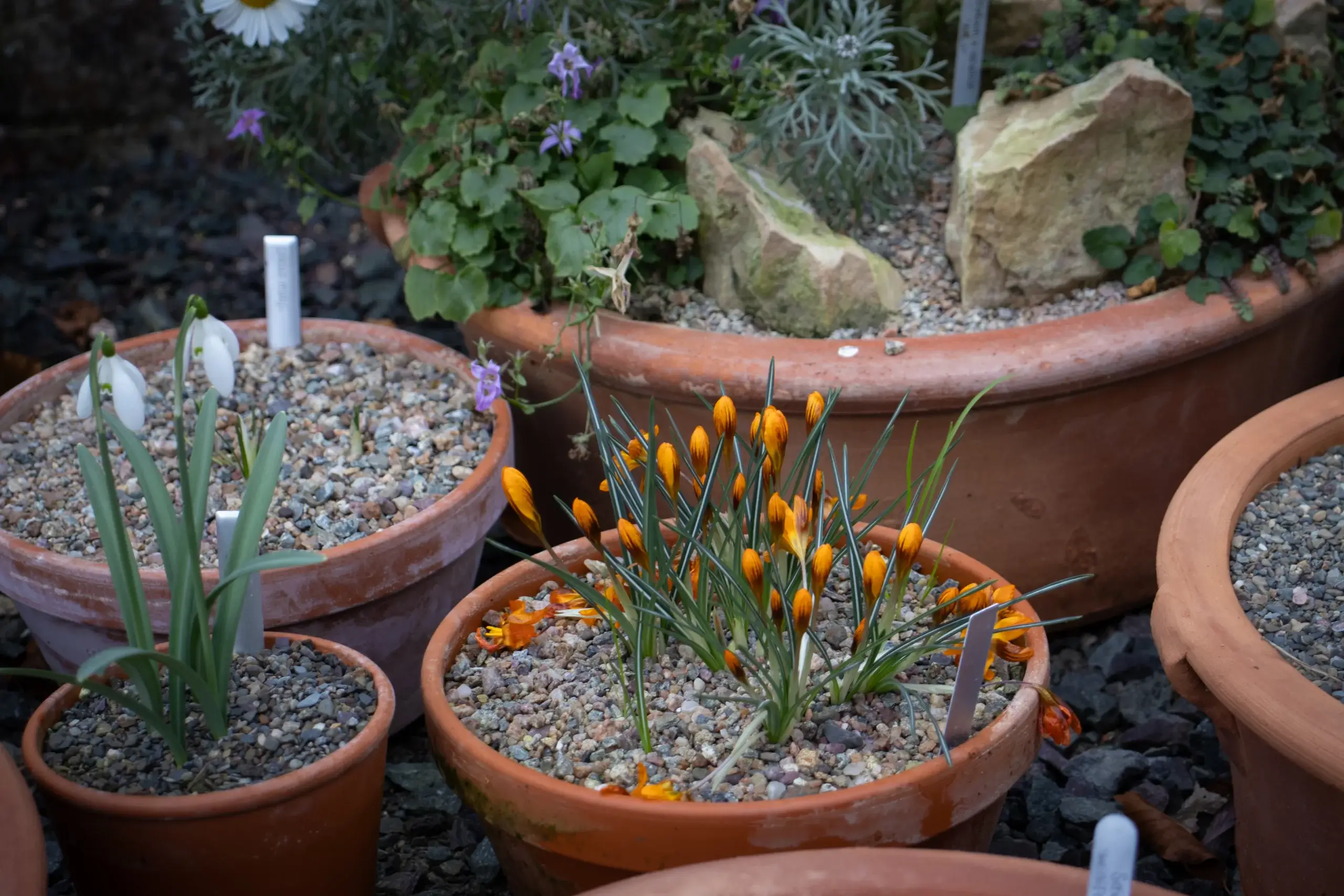
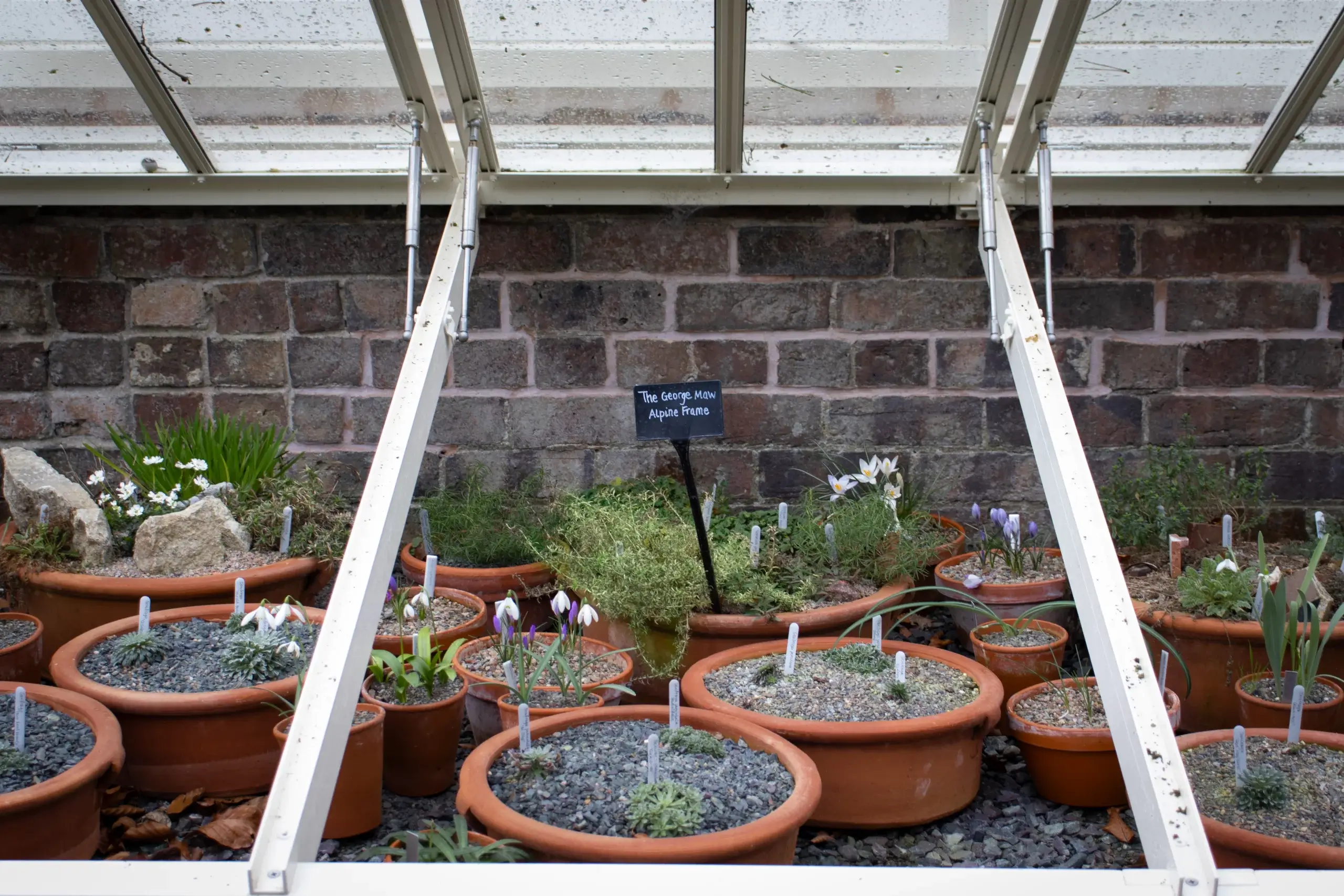
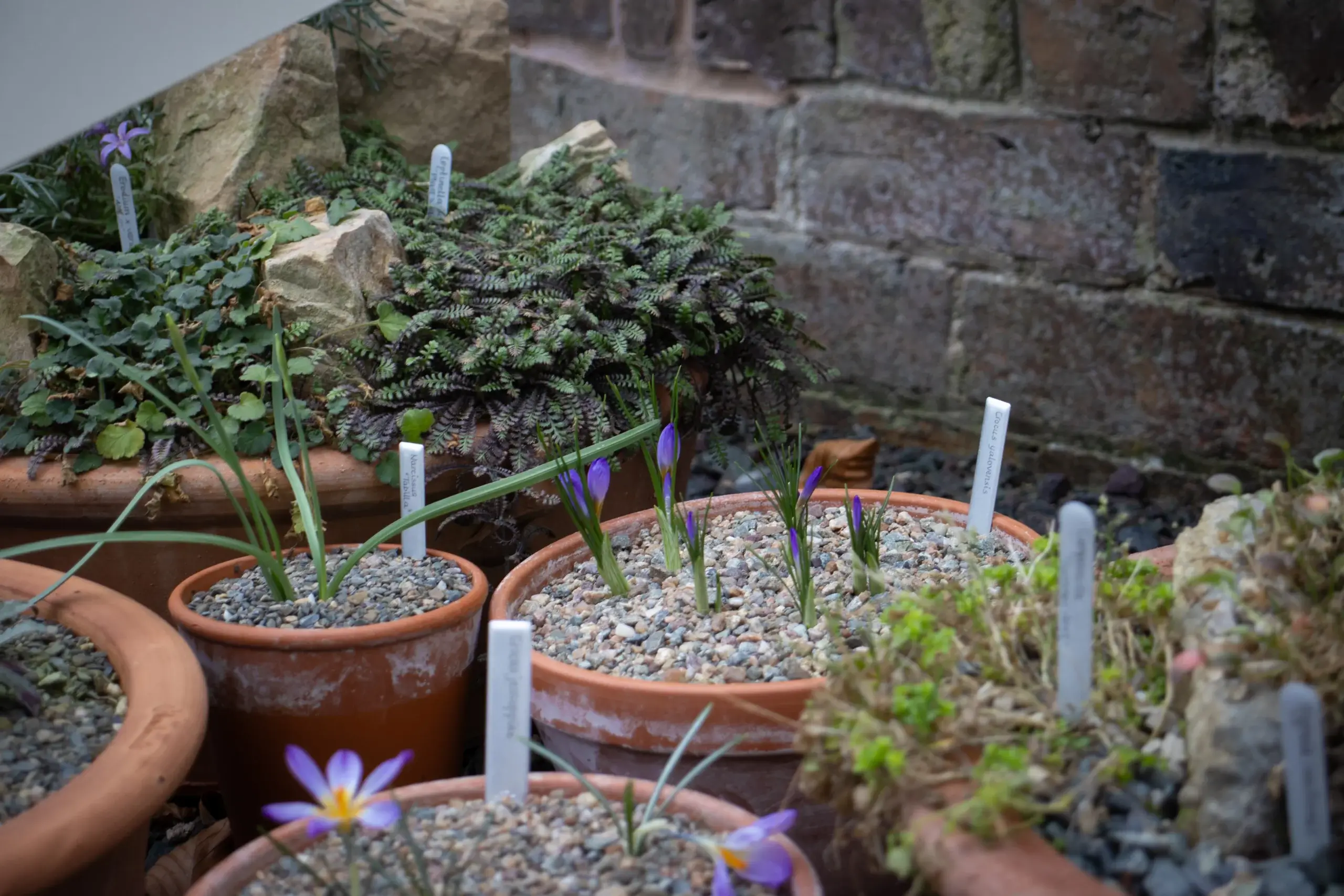
Above left, centre and right; the cold frames at Benthall Hall are used to display some of their rarer and more delicate alpines
What are the key features of a cold frame?
- Glazed tops to allow light in whilst retaining heat.
- Variable ventilation. It’s important to be able to circulate fresh air and have control over the temperature.
- Lids should either be removable or open fully to make room for taller plants that just need some frost protection.
- Brick base walls are ideal because they hold onto heat gained during the day, slowly releasing overnight and helping to maintain a more consistent temperature inside.
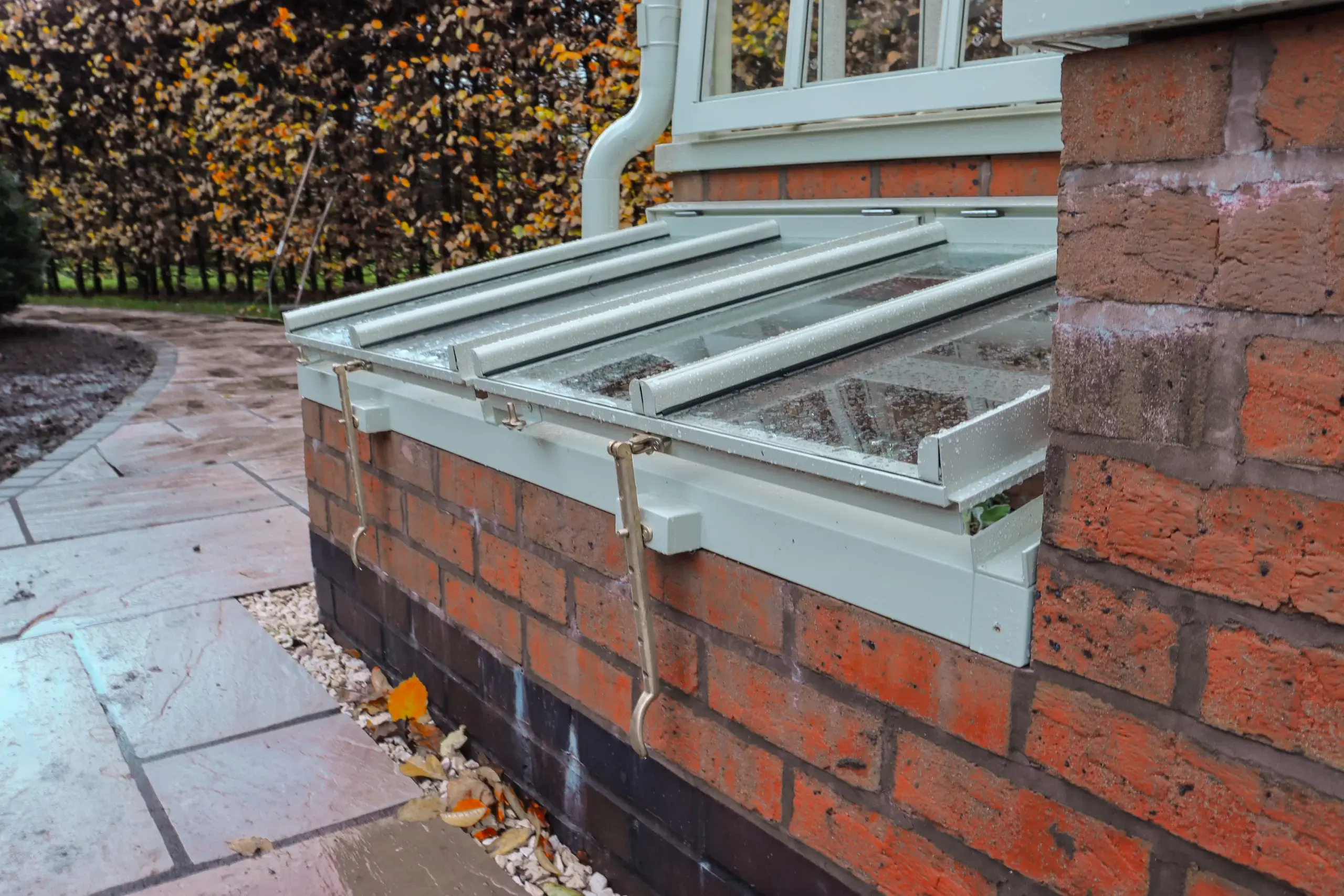
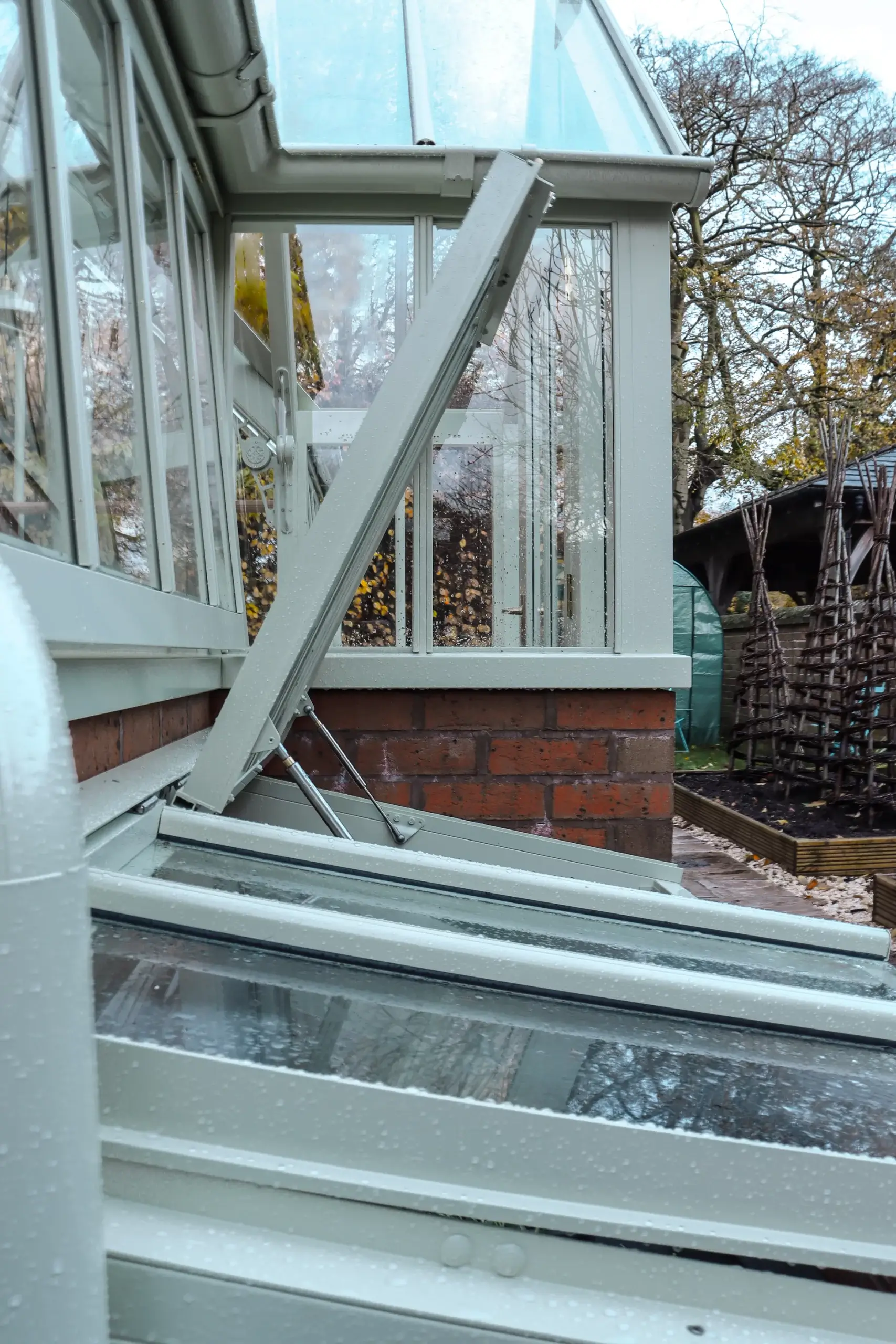
Above left; on a White Cottage cold frame, a brass casement stay allows ventilation levels to be adjusted. Above right; the lid opens fully for unhindered access.
Other considerations
As with the greenhouse, the starting point in your planning should be what you intend to grow and the required conditions for that. For propagation and over-wintering, maximising solar gain is key. So being able to take advantage of the sun as early and late in the growing season as you can, will be paramount and so an east-west orientation, south facing, and backing onto your greenhouse or another wall will ensure this. As said, it makes sense to run your cold frame alongside your greenhouse but make sure you choose the south-facing side – don’t overlook this when planning where the greenhouse itself will go and which way that will be orientated.
If your greenhouse has its door in the long side, it’s a popular move to site the cold frames either side of the door. Indeed, a protruding porch offers up the perfect already half-built spaces for cold frames, and this arrangement is very convenient when you’re moving plants from the greenhouse into the cold frames.
Similar theories on how to finish the floor inside the greenhouse apply to cold frames, too. Some people like to pour a solid concrete pad and build up from that which leaves them with a solid floor inside their cold frames as well. This is a good approach if you intend to use the cold frames in a temporary way, moving trays and pots in and out at various stages – it keeps the area weed-free and you can easily brush it out seasonally. Open ground offers more flexibility, however, including the ability to dig down and line the bottom with manure, using sand and/or gravel to create a very free-draining environment or even change the soil type, making it more suitable for ericaceous crops, for example.
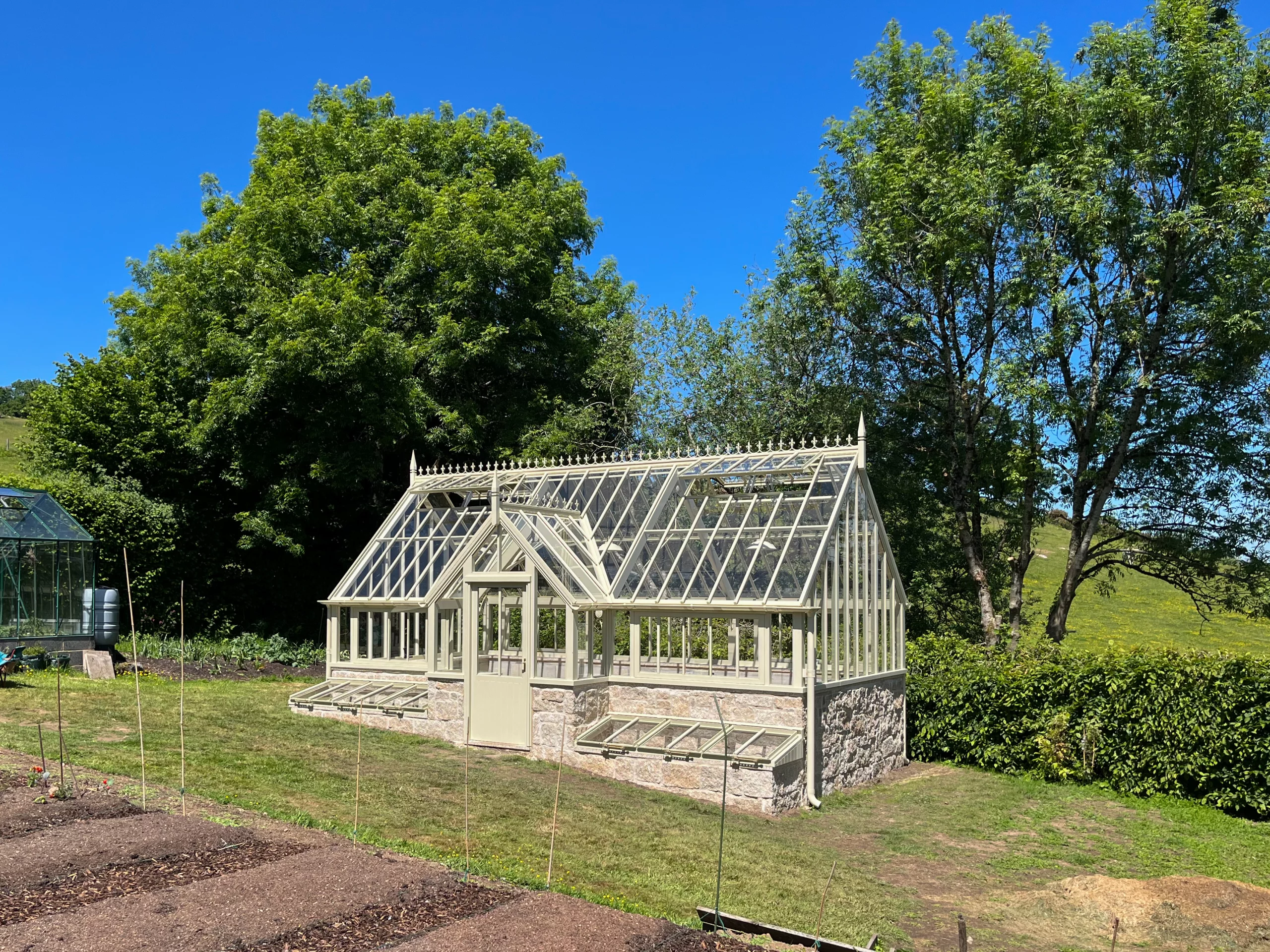
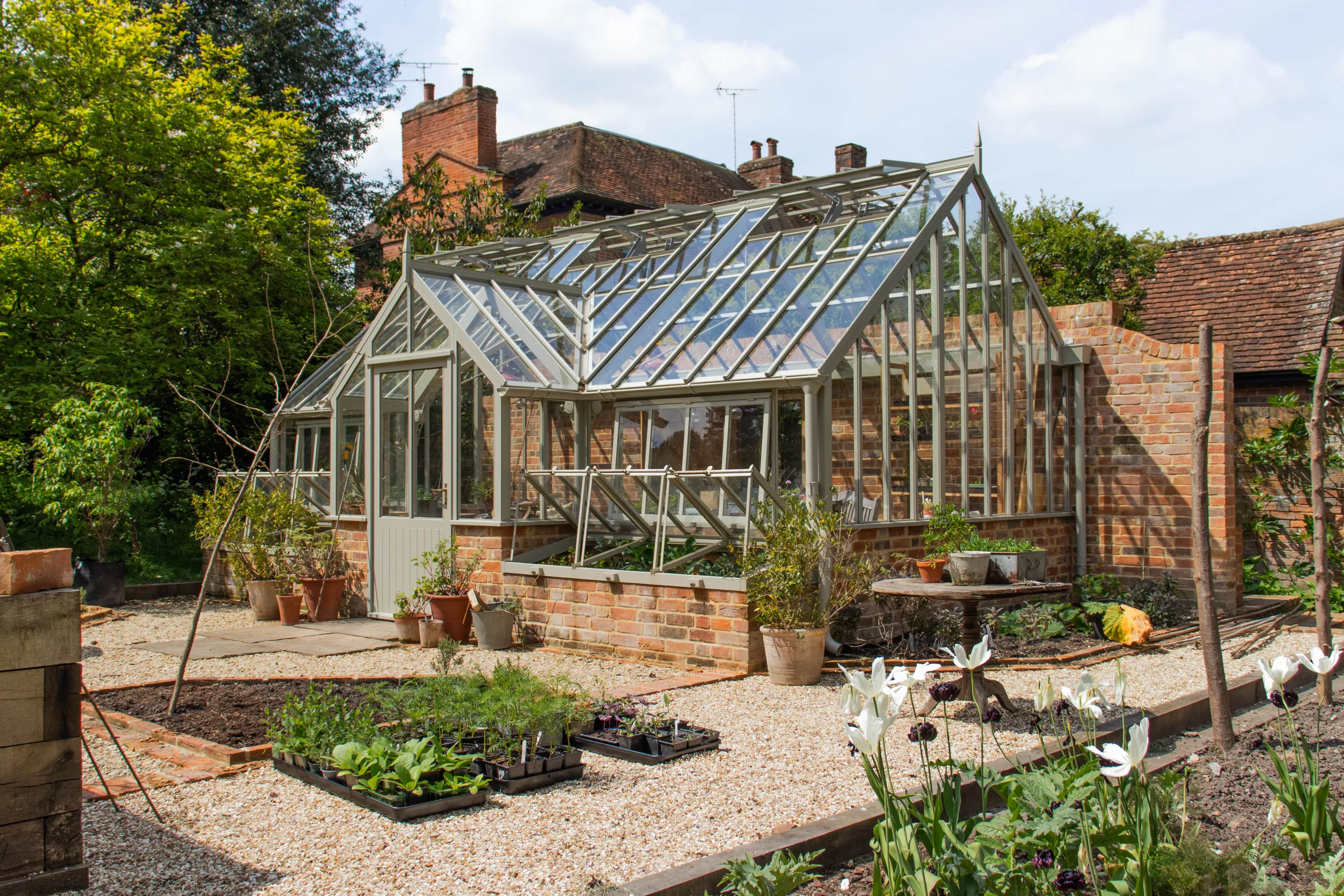
Above left; the cold frames in front of this Egerton have been set and different heights due to the terrain. Above right; a bespoke Edwardian three-quarter span greenhouse with cold frames either side of the porch.
The White Cottage Cold Frame
Our cold frames really are miniature versions of our greenhouses. Made using the same materials – a combination of painted Accoya and coated aluminium and following the same steps through our manufacturing processes of joinery, finishing, metalwork and fettling, we pre-assemble them as far as we can before loading them into our vans for delivery alongside the greenhouse.
We’ve recently revisited the design too, improving their functionality and ease of use with the addition of gas struts, which take the heavy lifting out of raising the lids, and a handle which makes it easier to operate with gloved hands. A solid brass casement stay lets you fix each lid open in various degrees so you can control the level of ventilation, or you can allow the lid to fully open, when it’s almost vertical, giving you unhindered access without the unwieldy job of completely removing the lid and then needing to store that somewhere.
Our cold frames need to sit on a low base wall, the specification of which is important to ensure the cold frame interacts with the greenhouse above correctly. These details will be included in any base plan we provide.
Our standard cold frames (to suit any of our Signature greenhouses) will have lids made up of 2 glazed panels. For bespoke greenhouses, we’ll design something to suit, aligning the lids of the cold frame with the glazing bars of the greenhouse. Popular configurations are detailed in our Signature price list, or talk to us if you have something else in mind.
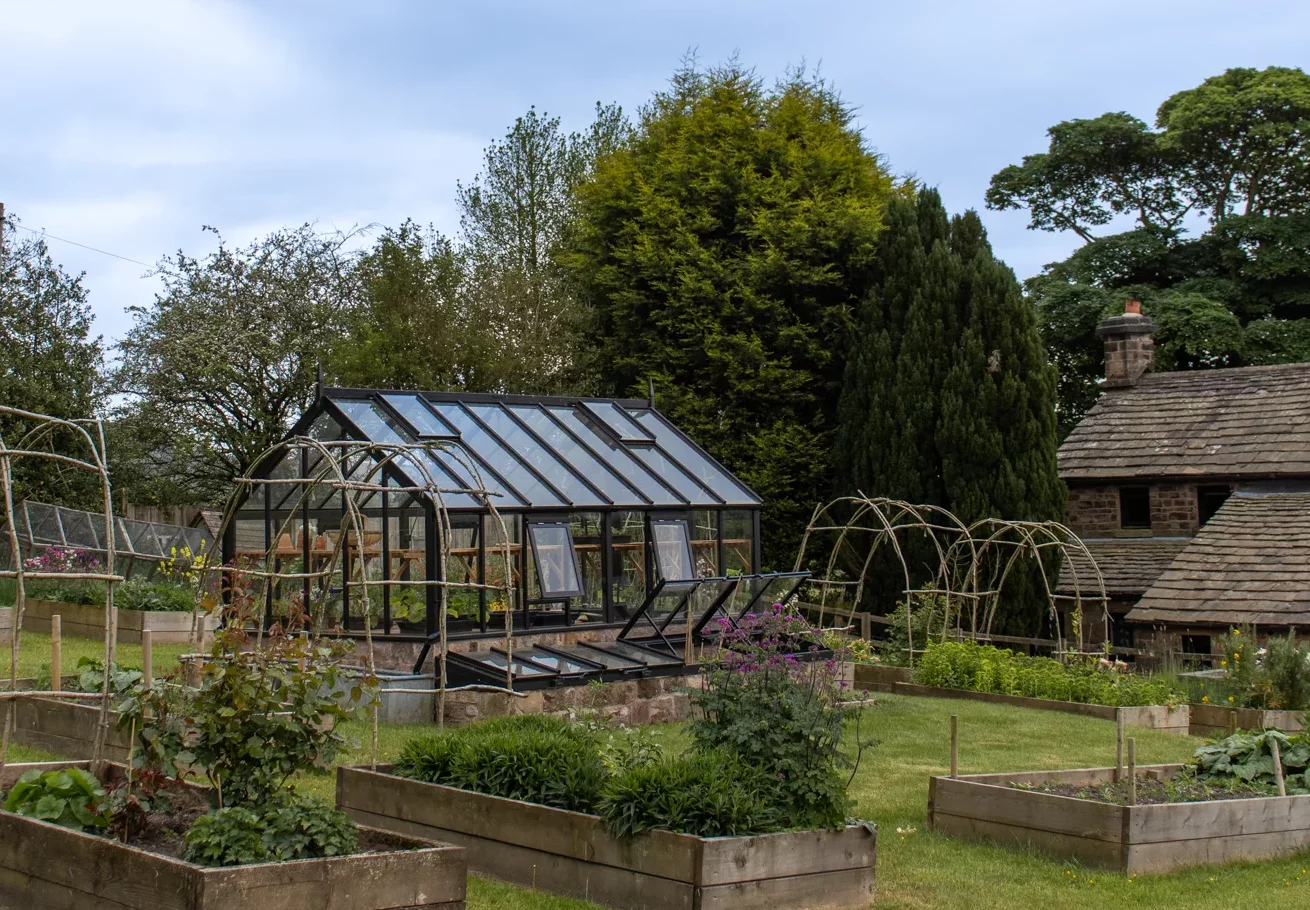
Above; cold frames alongside an Arley 8
If you’ve come across cold frames being used in an interesting or unusual way, we’d love to hear about it.
Comments
This article doesn't have any comments yet.